Sep 7, 2025
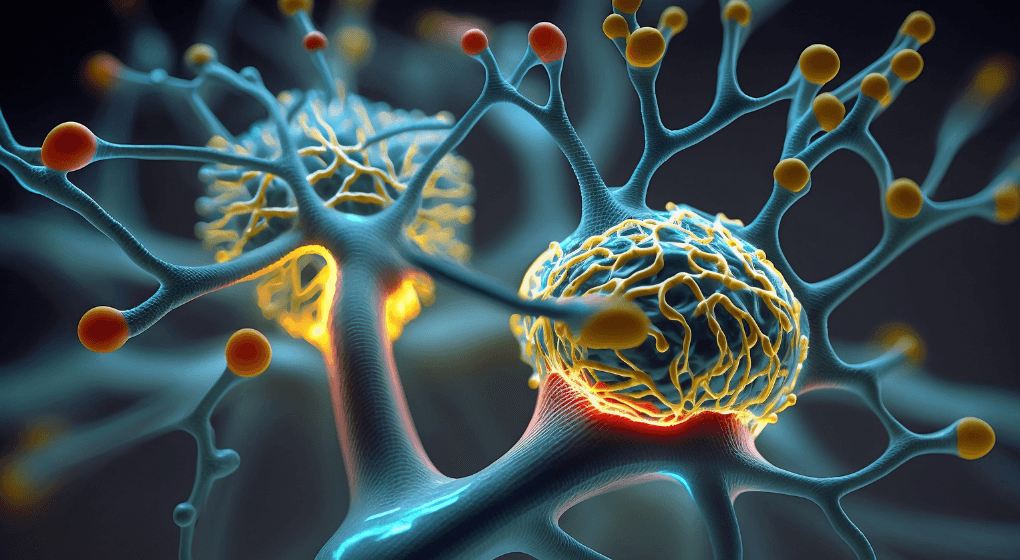
By now you have likely heard of something call Calmare® Therapy or Scrambler Therapy®. The central idea of Calmare/Scrambler Therapy is this: if chronic pain is the result of faulty information sent by the nervous system, we can overwrite it with healthy, non-pain information. Rather than blocking pain signals like medications or numbing nerves like local anesthetics, Calmare® Therapy/Scrambler Therapy® replaces pain signals with synthetic “non-pain” messages that the brain learns to accept as normal.
Think of it as teaching the brain a new sensory language—one that says, “You’re okay now.”
HOW CALMARE/SCRAMBLER THERAPY WORKS (MECHANISTICALLY)
1. Targeting C-Fibers (the Slow Pain Pathways)
Calmare/Scrambler Therapy uses surface electrodes placed near—but not on—the painful area to stimulate the skin and underlying nerves.
The signals are:
Low-frequency
Variable (non-repetitive and non-linear)
Specifically tuned to mimic healthy nerve signaling
These signals travel through the same C-fibers and A-delta fibers that normally carry chronic pain—but instead of transmitting pain, they transmit information that the brain interprets as non-threatening.
2. Deactivating Central Sensitization
With repeated treatments, Calmare/Scrambler Therapy helps:
Interrupt the loop of central sensitization in the spinal cord
Reduce activation of NMDA receptors
Re-establish inhibitory control (via GABAergic and glycinergic neurons)
This “turns down the volume” of pain at its central source.
3. Rewiring the Brain Through Neuroplasticity
As the therapy is repeated over 10–12 sessions, it leverages positive neuroplasticity:
Strengthens non-pain sensory pathways
Weakens chronic pain loops
Teaches the brain that previously painful stimuli are now safe
Many patients report long-term pain relief, even after sessions are complete—evidence that the brain has been retrained.
WHY CALMARE/SCRAMBLER THERAPY IS DIFFERENT
Feature | Calmare/Scrambler Therapy | Traditional Pain Treatments |
Mechanism | Information replacement | Numbing, blocking, or dulling pain |
Target | C-fibers, spinal cord, brain | Peripheral nerves, inflammatory mediators |
Goal | Neuroplastic reset | Temporary symptom control |
Duration of Relief | Often long-lasting (weeks to months) | Short-term (hours to days) |
Side Effects | Minimal to none | Often significant |
IDEAL CANDIDATES
Calmare/Scrambler Therapy is especially useful for:
Neuropathic pain (e.g. diabetic, post-surgical, postherpetic, trigeminal neuralgia)
Complex Regional Pain Syndrome (CRPS)
Cancer Induced Peripheral Neuropathy (CIPN)
Fibromyalgia
Phantom limb pain
Failed back surgery syndrome
Pain after shingles or nerve injury
It’s best for patients who:
Have not responded to conventional medications
Prefer non-invasive, drug-free options
Are medically complex or opioid-intolerant
PUTTING IT ALL TOGETHER
Let’s recap how Calmare/Scrambler Therapy aligns with the biology we’ve covered:
Concept | Problem | Calmare/Scrambler Therapy’s Solution |
Nerve Fiber Dysfunction | C-fibers overfiring | Sends healthy signals via same pathways |
Central Sensitization | Amplified spinal cord response | Disrupts pain wind-up and restores balance |
Neuroplasticity | Maladaptive pain learning | Retrains brain and spinal cord to forget pain |
THE FUTURE OF PAIN MANAGEMENT?
Calmare/Scrambler Therapy is part of a broader movement in medicine—targeting the nervous system as a dynamic, trainable network, rather than a static, damaged machine.
It’s a hopeful therapy, not because it masks pain, but because it respects the nervous system’s ability to heal—when given the right input.
FINAL THOUGHTS
Pain that no longer serves a purpose doesn’t have to become your identity. By understanding how pain works at the level of nerve fibers, the spinal cord, and the brain, we open the door to smarter, gentler, and more effective treatments.
Calmare/Scrambler Therapy isn’t magic—it’s science. And it just might help your nervous system remember what comfort feels like. To learn more about what to expect from the 10 day protocol, click here.